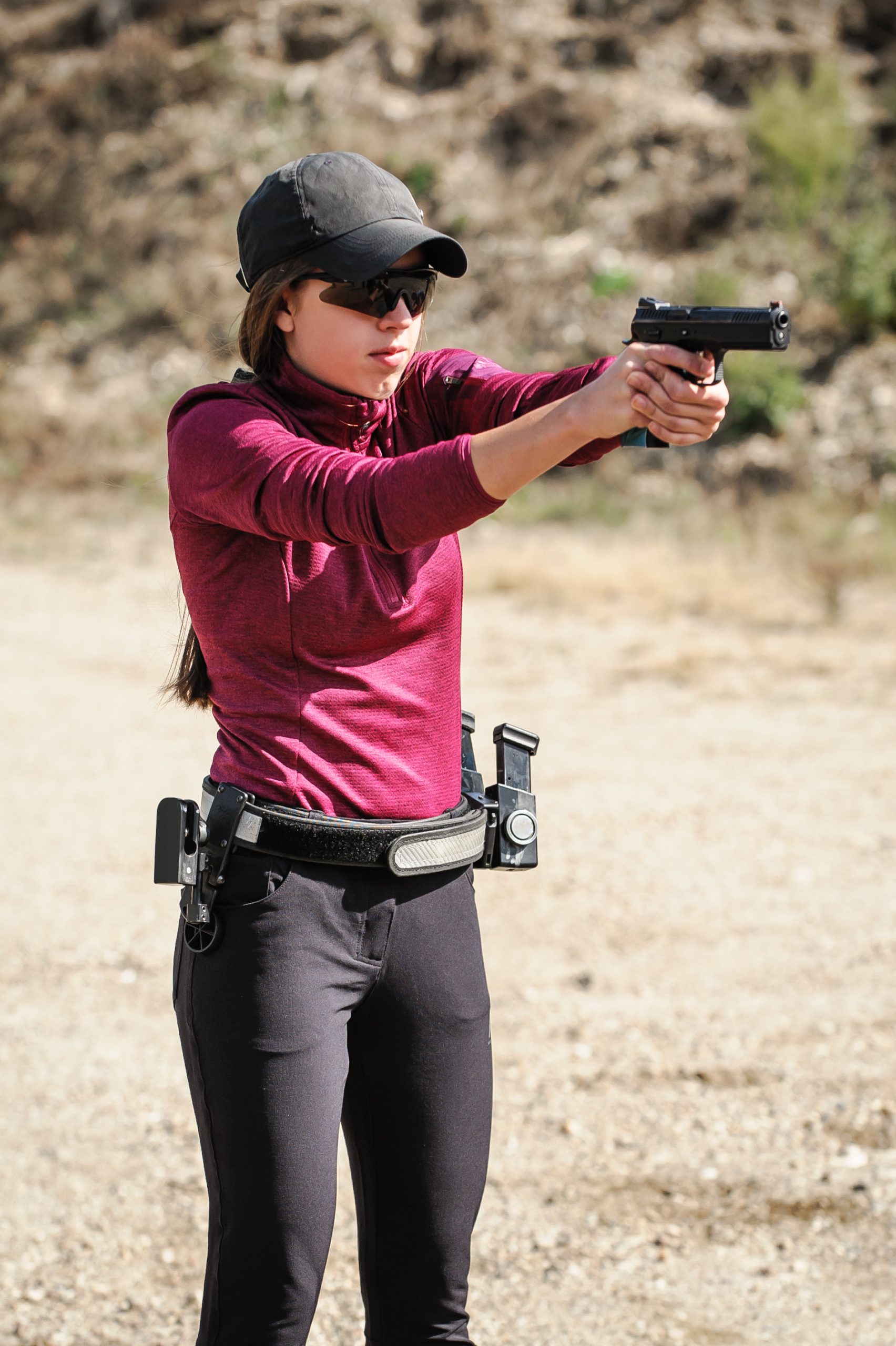
Which Carry Option Is Right for You?
With multiple ways to legally carry a firearm in Texas, it’s important to understand the differences between NRA CCW certification, the Texas License to Carry (LTC), and Constitutional Carry. While each pathway allows you to carry a handgun legally under certain circumstances, the level of training, legal protection, and reciprocity vary significantly.
Let’s break them down.
1. NRA CCW (Concealed Carry Weapon) Certification
The NRA CCW course is a comprehensive, nationally recognized training program designed for those who want more than just basic instruction. While it’s not a legal requirement in Texas, many responsible gun owners choose to take it voluntarily.
Key Features:
- Advanced Defensive Skills: Covers real-world scenarios such as drawing from concealment, threat assessment, and responding under stress.
- Legal Education: Offers foundational knowledge on self-defense law, criminal and civil liability, and when the use of deadly force is justified.
- Situational Awareness: Emphasizes decision-making, de-escalation, and avoiding confrontation when possible.
- Nationally Recognized: Ideal for those who travel and want to be well-versed in firearm responsibility beyond their home state.
Best For:
Those seeking a deeper understanding of personal protection, or supplementing their legal ability to carry with professional training. It’s especially valuable for people who carry daily and want to be fully prepared—not just legally, but tactically and ethically.
2. Texas LTC (License to Carry)
The Texas LTC is the official state-issued license for carrying a handgun, and while it’s not required under Constitutional Carry laws (more on that below), it still provides significant benefits.
Key Features:
- Legal Protections: LTC holders receive legal presumptions in self-defense cases (e.g., the Castle Doctrine and Stand Your Ground laws).
- Reciprocity: Texas LTC is recognized in over 30 other states, allowing you to carry legally while traveling.
- Training Requirements: Includes classroom instruction on:
- Use of force laws
- Nonviolent dispute resolution
- Firearm safety and storage
- Basic handgun proficiency (live-fire qualification)
- Convenience: LTC holders can bypass some federal background check requirements when purchasing firearms and are allowed to carry in more restricted areas (e.g., certain college campuses).
Best For:
Those who want maximum legal protection and interstate reciprocity, and prefer to demonstrate proficiency through a state-approved training program. Also ideal for anyone who wants the clearest legal standing in a self-defense scenario.
3. Constitutional Carry (Permitless Carry)
As of September 1, 2021, Texas allows permitless carry for individuals aged 21 and older (or 18 and up for certain military members), provided they meet legal qualifications.
Key Features:
- No License Required: Law-abiding citizens can carry openly or concealed without obtaining a permit.
- Basic Legal Eligibility: Must not be prohibited from possessing a firearm (e.g., no felony convictions, domestic violence charges, or mental health disqualifications).
- No Training Mandated: While legal, there is no requirement for training, testing, or demonstrated proficiency.
Drawbacks:
- No Reciprocity: You cannot carry in other states without an LTC.
- Legal Gray Areas: Without formal training, many individuals are unaware of subtle but important legal nuances (e.g., signage laws like 30.06/30.07, proper storage, or justified use of force).
- Higher Legal Risk: In self-defense situations, those without an LTC may face greater legal scrutiny.
Best For:
People who want to carry immediately and understand the risks of doing so without formal training. Constitutional Carry is legal—but being legal doesn’t mean you’re prepared.
Which One Should You Choose?
While Constitutional Carry gives Texans the freedom to carry without a license, it comes with greater responsibilityto self-educate and understand the law. That’s why many gun owners opt to combine Constitutional Carry with additional training, like the NRA CCW course, or pursue a Texas LTC for broader protections and flexibility.
Quick Comparison Chart:
| Feature | NRA CCW | Texas LTC | Constitutional Carry |
|---|---|---|---|
| Required by law? | ❌ | ✅ (for LTC carry) | ❌ |
| Reciprocity with other states | ❌ | ✅ | ❌ |
| Structured legal training | ✅ | ✅ | ❌ |
| Range qualification | ✅ (in most courses) | ✅ | ❌ |
| Advanced tactical skills | ✅ | ❌ | ❌ |
| Self-defense legal protections | Indirect | ✅ | Limited |
| Carry in more restricted places (schools, campuses, etc.) | ❌ | ✅ | ❌ |
Final Thoughts
Owning and carrying a firearm is a serious responsibility. Even though Texas allows permitless carry, that doesn’t mean everyone should carry without training. Whether you’re new to firearms or an experienced carrier, investing in education—through the NRA CCW or Texas LTC—can be the difference between confident, lawful self-defense and a potentially life-changing legal mistake.
Bottom Line:
Permitless carry gives you freedom. Training gives you control.
Sign up for one of our classes today so you can Train with Precision and Carry with Confidence.