I personally have struggled with concealed carry options and have experienced immense frustration. In recent years, more women across the United States have chosen to carry concealed firearms for personal protection. While this decision empowers many, it also presents a range of unique challenges that differ significantly from those faced by men. From clothing options to firearm training and societal perceptions, women must navigate a complex landscape to carry confidently and safely.
1. Clothing and Holster Options
One of the most common and immediate challenges women face is clothing compatibility. Unlike traditional men’s clothing, women’s fashion often includes tighter fits, fewer belt loops, and more variety in styles—factors that can make holster selection and concealment more complicated.
- Concealment Issues: Fitted tops or dresses don’t easily accommodate traditional waistband holsters. I have an assortment of alternative carry methods such as belly bands, thigh holsters, bra holsters, or concealed carry purses.
- Trade-offs: Each method comes with pros and cons. For example, off-body carry (like in a purse) may offer convenience but could slow down response time or increase the risk of unauthorized access.
2. Holster Fit and Comfort
Most holsters are still designed with male anatomy and clothing in mind. Many women report discomfort, poor fit, or difficulty finding holsters that suit their body shape. A poor fit not only makes carrying uncomfortable but can also compromise safety and accessibility.
Holster companies have increasingly responded with women-specific options, but finding the right combination of fit, comfort, and quick access can still be a time-consuming—and costly—process.
3. Firearm Selection and Recoil Management
Smaller-framed individuals, including many women, often opt for compact or subcompact firearms. While these are easier to conceal, they often come with more recoil and are harder to shoot accurately, especially for beginners.
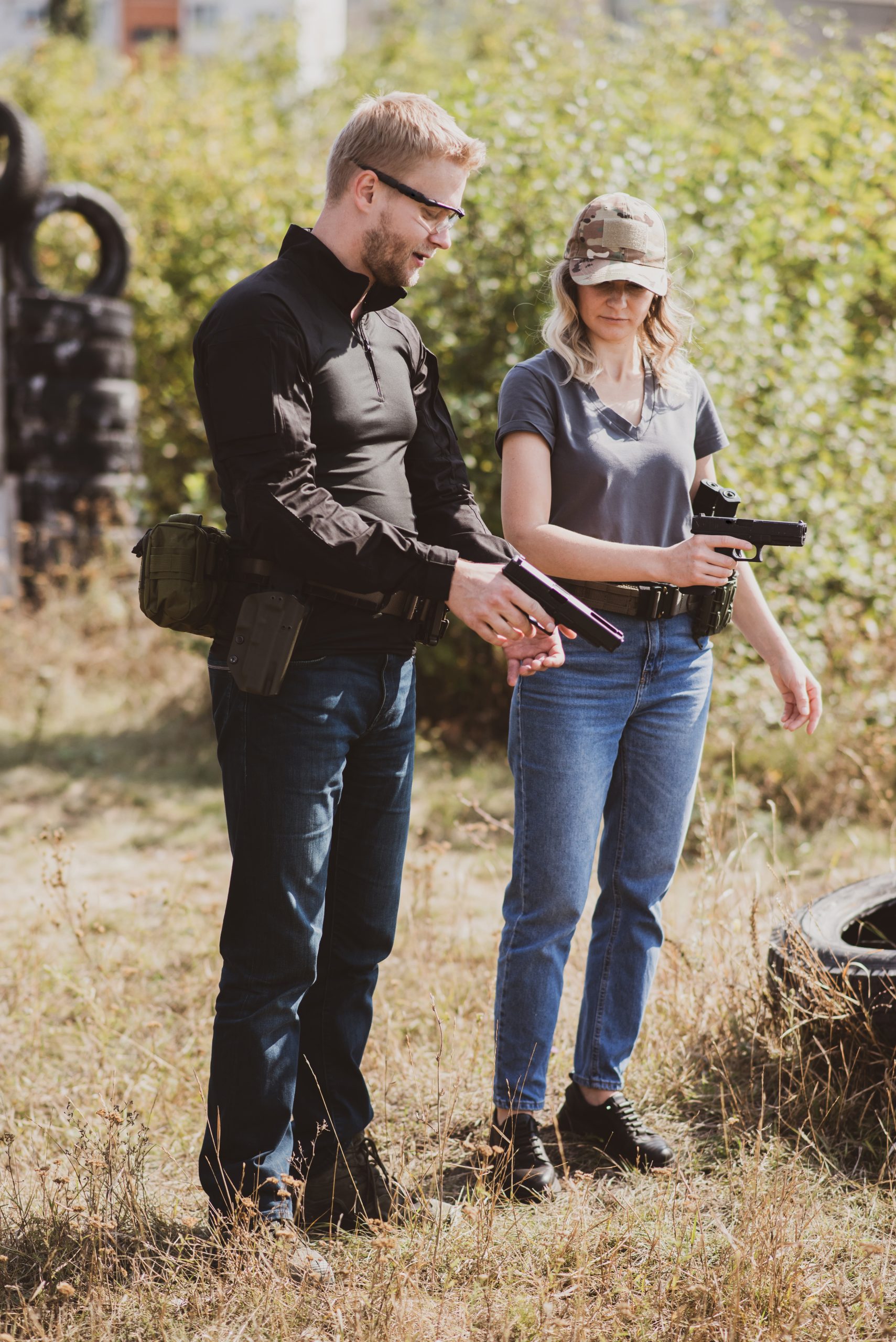
Training and practice are crucial to ensure proficiency, but finding ranges, instructors, and programs that are inclusive or tailored to women’s needs is not always easy. Women-specific training groups are growing in popularity, offering a more comfortable and empowering learning environment.
4. Safety Concerns and Public Perception
Carrying a firearm also introduces unique safety concerns for women, especially regarding situational awareness and retention (the ability to keep control of the firearm in a confrontation).
Additionally, women often face societal scrutiny or stigma for choosing to carry. Some may feel judged by peers, family, or even law enforcement for exercising their right to self-defense.
5. Legal and Lifestyle Considerations
Women may also face added complexity when juggling parental responsibilities, daycare pickups, or work environments where firearms are prohibited. Navigating the patchwork of concealed carry laws across states, especially when traveling, can be daunting and requires diligent research.
6. Mental Load and Confidence
The psychological responsibility of carrying a firearm can weigh heavily. Women are often conditioned to prioritize others’ comfort and safety over their own, making it emotionally challenging to assert their right to self-defense. Building confidence through education, practice, and peer support is key to overcoming this barrier.
Final Thoughts
The decision to carry concealed is deeply personal, and for women, it comes with unique challenges that go beyond gear and training. However, with growing communities, better gear options, and increasing awareness, more women are finding ways to carry that align with their lifestyle, safety goals, and comfort.
If you’re considering concealed carry as a woman, take the time to explore your options, connect with me, and above all—prioritize your safety and confidence every step of the way.