If you’re considering obtaining your Texas License to Carry (LTC), congratulations on taking the next step in your personal protection and firearms journey. One of the key components of the LTC process is the proficiency demonstration, also known as the qualification course of fire.
In this blog post, we’ll break down exactly what the shooting qualification entails, what you’ll need, and tips for success—so you walk onto the range prepared and confident.
What Is the Texas LTC Shooting Qualification?
The Texas LTC proficiency demonstration is designed to ensure that applicants have a basic level of handgun safety and shooting proficiency. It’s not designed to be overly difficult or stressful. In fact, most people pass with a bit of preparation and a calm mindset.
The course of fire is standardized by the Texas Department of Public Safety (DPS) and must be conducted by a certified LTC instructor.
Equipment You’ll Need
Before we dive into the shooting stages, here’s what you’ll need:
- A handgun (.22 caliber or higher)
- 50 rounds of ammunition
- Hearing protection
- Eye protection
- A secure holster or range bag
- Appropriate clothing (closed-toe shoes, no low-cut tops)
Note: You can qualify with either a revolver or a semi-automatic. As of recent rule changes, there is no longer a restriction on the type of firearm you carry based on the gun you qualified with.
Course of Fire: The Breakdown
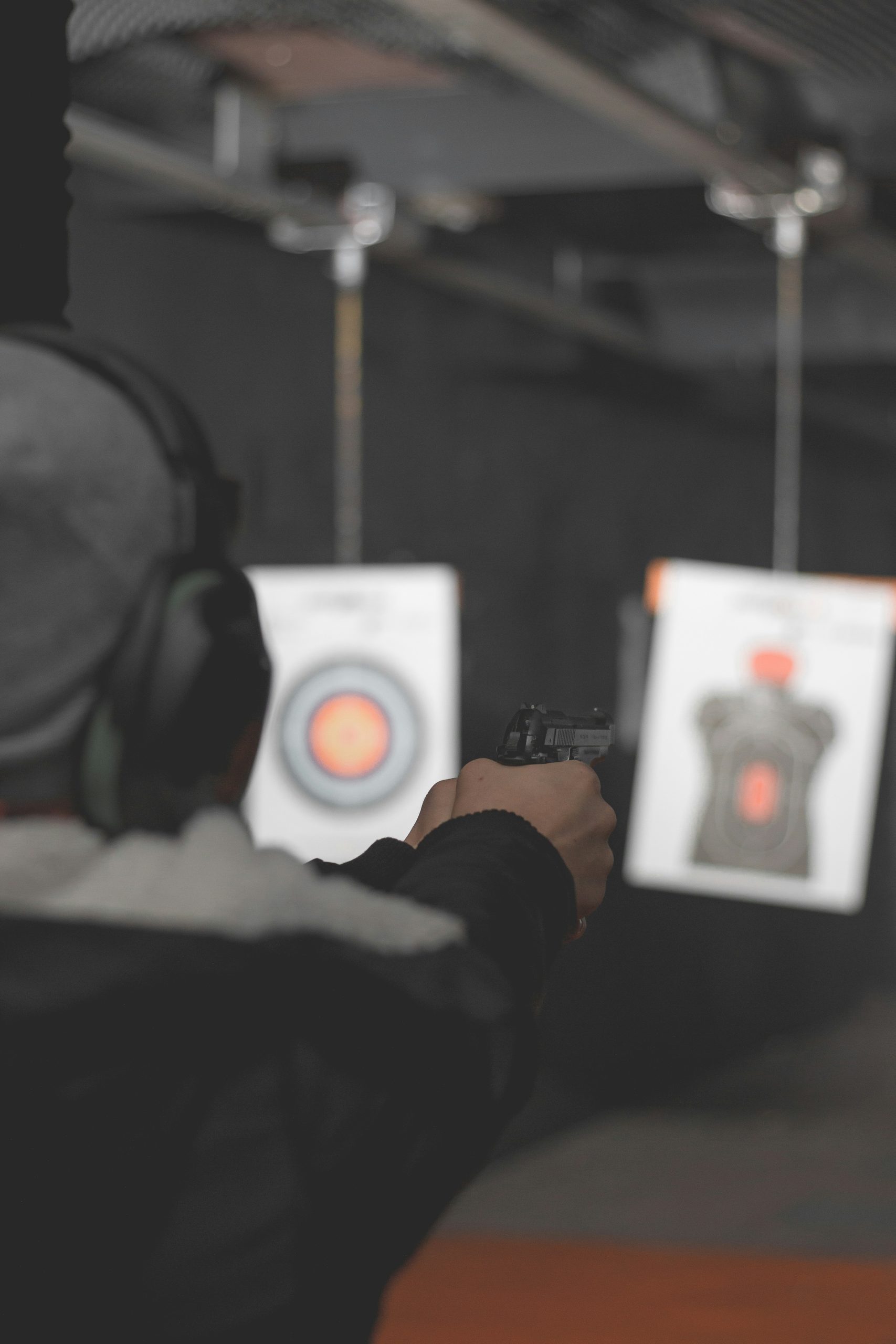
The LTC qualification consists of 50 total shots fired from distances of 3, 7, and 15 yards. The target used is the B-27 silhouette, which is a human-shaped target used in law enforcement and civilian training.
Here’s how the course breaks down:
🔹 3-Yard Line (20 shots)
- 5 shots in a 1-shot exercise, fired within 2 seconds each
- 10 shots in a 2-shot exercise, each pair fired within 3 seconds
- 5 shots in a 5-shot exercise, fired within 10 seconds
🔹 7-Yard Line (20 shots)
- 5 shots in a 5-shot exercise, fired within 10 seconds
- 5 shots in a 1-shot exercise, fired within 3 seconds each
- 5 shots in a 2-shot exercise, fired within 4 seconds
- 5 shots in a 3-shot exercise, fired within 6 seconds
🔹 15-Yard Line (10 shots)
- 2 shots in a 2-shot exercise, fired within 6 seconds
- 3 shots in a 3-shot exercise, fired within 9 seconds
- 5 shots in a 5-shot exercise, fired within 15 seconds
Scoring and Passing
Each shot can score a maximum of 5 points, with the highest possible score being 250 points.
- Passing score: 175 out of 250 (or 70%)
- Only shots that hit within the 8-ring and inner areas of the B-27 target count toward your score.
- You must complete the full 50-round course to be eligible for scoring.
Most people who practice basic handgun fundamentals—stance, grip, sight alignment, trigger control—are able to pass on their first try.
Tips for Success
- ✅ Practice beforehand at your local range using a B-27 target
- ✅ Focus on slow, steady trigger control
- ✅ Don’t rush—use the full time allowed for each string
- ✅ Bring a firearm you are comfortable and familiar with
- ✅ Ask questions—your instructor is there to help
Final Thoughts
The Texas LTC qualification is not a high-pressure competition. It’s a practical assessment to ensure that you can safely and effectively handle a handgun. With a bit of preparation and the right mindset, most shooters find it very manageable.
Remember: the goal of the LTC is to promote responsible carry and firearms safety. Treat the qualification as part of your ongoing commitment to self-defense education.
Have questions or need help preparing for your LTC qualification? Drop a comment below or reach out to a certified instructor in your area. Your safety and confidence are worth it.
Sign up below to enroll in our online LTC class, then email us at info@precisioncarryltc.com to schedule your qualification.